Beauty, health, and wellness to help your body glow from the inside out.

Weight loss pens in the USA: What the law, the risks of accidental use

Introduction:
The so-called slimming pens have been gaining ground in the beauty and health market. But do you know what American legislation says about them? In this article, we’ll explore the risks of unintended use and how authorities are cracking down on illegal substances.
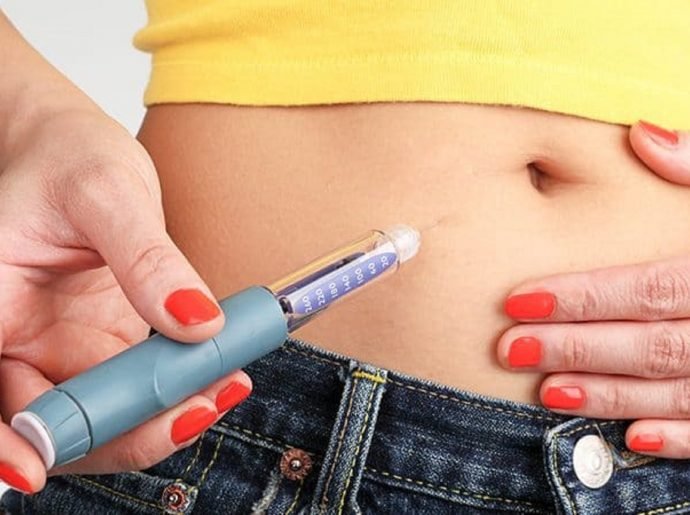
caneta emagrecedora 690x515

“Slimming pens have become a worldwide phenomenon. In Brazil, the Albert Einstein Hospital has already warned of the risks of using slimming pens in the USA: What the Law Says, the Risks of Unindicated Use and the End of Illegal Compounds: pancreatitis, gallbladder problems, malnutrition and even loss of muscle mass.

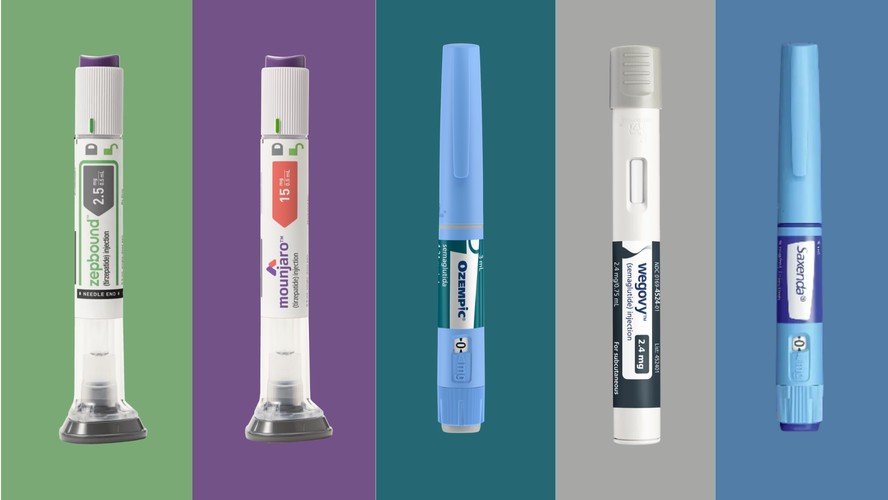
In the United States, where these drugs were born, the situation is even more complex. There, the pens are GLP-1 like Ozempic, Wegovy, Mounjaro and Zepbound and move billions. But along with the popularity came a wave of off-label use, parallel market for manipulated versions and misinformation.

If you write, prescribe or use these drugs, understanding American law is essential. It defines who can use it, who can sell it, who can afford it and what are the legal and 0 health consequences of inappropriate use.

This guide breaks everything: FDA, Medicare, compounded drugs, advertising and liability. Come on.

  1. What are the “slimming pens” according to American legislation
    In the United States, there is no term slimming pen. The FDA classifies these products as GLP-1 and GIP/GLP-1 receptor agonists, administered by weekly subcutaneous injection.

FDA-approved GLP-1 drugs and Legal Status

Ozempic
Active ingredient: Semaglutide
FDA Approval: Type 2 Diabetes – 2017
Approved for weight loss: Off-label use
Medicare Part D coverage: Only for diabetes, CKD, and cardiovascular disease

Wegovy
Active ingredient: Semaglutide
FDA Approval: Obesity – 2021
Approved for weight loss: For a BMI of ≥ 30 or ≥ 27 with comorbidities
Medicare Part D coverage: Effective March 2024 for cardiovascular disease

Rybelsus
Active ingredient: Oral semaglutide
FDA Approval: Type 2 diabetes
Approved for weight loss: Not approved
Medicare Part D coverage: For diabetes only

Mounjaro
Active ingredient: Tirzepatide
FDA Approval: Type 2 diabetes
Approved for weight loss: Not approved
Medicare Part D coverage: For diabetes only

Trade Name (Tirzepatide)
Active ingredient: Tirzepatide
FDA Approval: Obesity – 2023
Approved for weight loss: Yes
Medicare Part D coverage: No, except for sleep apnea in obese patients

Key point of American law: The FDA approves the drug for an indication. Any use outside of this indication is called off-label. It is legal for a doctor to prescribe off-label, but it is illegal for the pharmaceutical industry to promote this use.
design sem nome

FDA: The 4 Main Restrictions on GLP-1 in 2024–2025.
The FDA has stepped up enforcement on three fronts. If you plan to import, resell, or disseminate information about the drug, you need to be aware of all of them.
2.1. Ban on “compounded” versions.
During the 2022–2024 shortage, U.S. law allowed pharmacies to produce copies of semaglutide and tirzepatide. The shortage officially ended in 2025.

  1. End of production: The FDA has declared an end to the shortage of semaglutide and tirzepatide. Therefore, counterfeit versions can no longer be legally produced or sold. 2. Expiration date: The expiration date for counterfeit semaglutide is May 2025. 3. Illegal salts: The FDA has warned that salts such as “semaglutide sodium” and “semaglutide acetate” are active ingredients different from those approved. There is no legal basis for their use in adulterated products.
    Risk to consumers: As of April 2025, the FDA had received 520 reports of adverse events involving adulterated semaglutide and 480 involving adulterated tirzepatide. Since pharmacies are not required to report such incidents, the actual number is higher.
    2.2. Combating counterfeit medicines and illegal imports:
    A FDA investiga a venda de Ozempic falsificado nos EUA. Essas versões podem conter ingredientes incorretos, dosagem incorreta ou substâncias nocivas.

What the law says

What the law says: Importing drugs without FDA approval for resale is a federal crime, according to the Federal Food, Drug, and Cosmetic Act. The FDA has tightened controls on the importation of ingredients used to treat obesity due to safety concerns.
2.3. Restrictions on Direct-to-Consumer Misleading Advertising:
In 2025, the FDA announced that it would take action against the mass sale of unapproved GLP-1s marketed as “alternatives” to approved ones. The agency issued warning letters in the fall of 2025.

It is illegal for a company to claim that:

  1. The product handled is “generic”, “equivalent” or “equal” to FDA-approved 2. It contains the same active ingredients 3. It is clinically proven to give results _2.4. Concern for Safety in Off-Label Use
    58% of Americans are concerned about Ozempic shortages caused by off-label use and 63% about safety in this context. Safety rhetoric significantly reduces public support for off-label use.
  1. Medicare, Medicaid and Insurance: Who Pays the Bill Under the Law?
    One of the biggest myths is that in the U.S. everyone gets Ozempic. Federal law prohibited this until 2024.
    3,1. The Historical Rule: Medicare Did Not Cover “Weight Loss Drugs”
    By law, Medicare Part D was prohibited from covering medications when used exclusively for weight loss. That changed in March 2024.

New rule: When the FDA approved Wegovy to reduce cardiovascular risk in overweight/obesity adults, it opened the door for Medicare to cover. The same was true of Zepbound: approval for sleep apnea in obese people allows coverage.

Ozempic remains off-label for weight loss because it is only approved for diabetes, CKD, and cardiovascular disease.
3.2. Government-negotiated price: Inflation Reduction Act
In January 2025, CMS selected Ozempic, Rybelsus, and Wegovy for Medicare price negotiations. Negotiated price: $274 for 30 days, effective starting in 2027.
3.3. Medicaid: Varies by State
Medicaid may cover Wegovy, Saxenda, and others, depending on the state program. But GLP-1s like Ozempic are generally covered only for FDA-approved uses, such as type 2 diabetes.
3.4. Without Insurance: The Actual Cost
Using Ozempic or Wegovy without coverage can cost over $15,000 per year. This creates a health equity issue. Many people on social media who use these drugs do not meet the medical criteria.

  1. Medicare, Medicaid and Insurance: Who Pays the Bill Under the Law?
    One of the biggest myths is that in the U.S. everyone gets Ozempic. Federal law prohibited this until 2024.
    3,1. The Historical Rule: Medicare Did Not Cover “Weight Loss Drugs”
    By law, Medicare Part D was prohibited from covering medications when used exclusively for weight loss. That changed in March 2024.

New rule: When the FDA approved Wegovy to reduce cardiovascular risk in overweight/obesity adults, it opened the door for Medicare to cover. The same was true of Zepbound: approval for sleep apnea in obese people allows coverage.

Ozempic remains uncovered for weight loss because it is only approved for diabetes, CKD and cardiovascular disease.
3,2. Price Negotiated by the Government: Inflation Reduction Act
In January 2025, CMS selected Ozempic, Rybelsus and Wegovy for Medicare price negotiation. Price traded: $274 for 30 days, valid from 2027.
3,3. Medicaid: Varies by State
Medicaid may cover Wegovy, Saxenda and others depending on the state program. But GLP-1 like Ozempic are usually only covered for FDA-approved use, as type 2 diabetes.
3,4. No Insurance: The Real Cost
Using Ozempic or Wegovy without coverage can cost more than $15,000 per year. This creates a problem of health equity. Many on social media using drugs do not meet medical criteria.

  1. Off-Label Use: What is Legal and What is Unethical in the USA 4,1. For Doctors: Legal, But with Duties
    Off-label prescribing is legal in the United States. But the FDA makes it clear: the doctor takes full responsibility. Wegovy criteria for weight loss: BMI > 30 or > 27 with comorbidities. _

If you prescribe the medication to someone who does not meet these criteria, it constitutes off-label use. If the prescriber is not your doctor, there is an ethical/legal issue.
4.2. For Weight Loss Clinics and Influencers: High Legal Risk 1. Promoting off-label use: Illegal under the FD&C Act. This results in warning letters from the FDA. 2. Selling the compound as “generic Ozempic”: Illegal. 3. Civil Liability: If a patient develops pancreatitis or a serious adverse effect after off-label use without proper informed consent, the doctor and the clinic may be sued. 4.3. For Patients: The Real Risks Identified by the FDA and Doctors
The FDA states that the adverse events associated with the compound “appear consistent” with those of the approved versions. What are they?

Bibliography and FDA:

  1. 1. Pancreatitis: Severe inflammation of the pancreas. A risk mentioned by Einstein and listed in the package insert. 2. Gallbladder problems: Gallstones due to rapid weight loss. 3. Gastroparesis: Paralysis of the stomach. The FDA is investigating reports. 4. Malnutrition and muscle loss: Without monitoring, the patient eats less and does not supplement with protein. They lose muscle mass, not just fat. 5. Rebound effect: Studies show that, without a lifestyle change, the medication is likely to be needed indefinitely to maintain weight. Stopping treatment = regaining weight. _
    Legal disclaimer: The FDA cannot verify the quality, safety, and efficacy of medications.

5.The search boom and social pressure: what science says about the surge in public interest. Ozempic saw exponential growth on Google Trends in the U.S. between 2018 and 2023. Since June 2021, Ozempic has been searched for more often than Wegovy and Mounjaro. PubMed study: The off-label use of Ozempic for cosmetic weight loss has been popularized by social media and celebrities. Plastic surgeons need to be prepared for the implications. This creates two legal issues: 1. Induced demand: Patients arrive at the office demanding “Ozempic” without having diabetes, putting pressure on doctors. 2. Black market: Demand + high cost = counterfeits and illegal manipulations.

  1. The Search Boom and Social Pressure: What Science Says
    Public interest has exploded. Ozempic has grown exponentially on Google Trends among 2018-2023 in the US. Since June 2021, Ozempic has more searches than Wegovy and Mounjaro.

PubMed study: the off-label use of Ozempic for cosmetic weight loss was popularized by social networks and celebrities. Plastic surgeons need to be prepared for the implications.

This raises two legal issues:

  1. Induced demand: Patients come to the doctor’s office demanding “Ozempic” even though they don’t have diabetes, putting pressure on doctors. 2. Black market: Demand + high cost = counterfeits and illegal distribution.

Conclusion

Slimming pens should be used with caution and always under medical supervision. U.S. laws are becoming increasingly strict to protect consumers. Were you aware of these risks? Leave a comment and share this article to spread the word!

The American Lesson for Brazil
U.S. legislation on weight-loss pens teaches us three things:

  1. The indication is important: Wegovy is for obesity. Ozempic is for diabetes. Use outside these indications is considered off-label use, which carries greater risk and offers less coverage. 2. The loophole is closed: The FDA shut down the “cheaper compounds” loophole in 2025 due to safety concerns. The 1,000 reports of adverse events influenced the decision. 3. It is not a cosmetic treatment: The FDA, Medicare, and doctors treat it as a medication for chronic diseases. It must be used indefinitely to maintain results. Without lifestyle changes, there is no support for the treatment.
    Einstein’s warning about the risks of off-label use is 100% aligned with the FDA’s position: these drugs have not been proven safe and effective for broad cosmetic use.

Final recommendation

If you’re going to write about weight-loss pens on your blog, set realistic expectations. Explain the key difference between Ozempic and Wegovy, mention that they’re intended for long-term use and are expensive, and emphasize that misuse has become a crime in the U.S.
Health isn’t a shortcut. And in the United States, the law now ensures that.

Medical notice: This article is informative and based on legislation and public communications from the FDA, CMS and PubMed until April 2026. It does not replace medical consultation. GLP-1 are prescription drugs with risks. Talk to an endocrinologist before starting, adjusting or stopping any treatment.

Would you prefer that I adapt this article to a more technical tone, aimed at doctors, or a simpler one, aimed at the general public? Or would you prefer that I create a carousel post for Instagram based on this text?


Postpartum Weight Loss: Healthy Strategies for Regaining Your Well-Being

Introduction:
Pregnancy transforms both the body and the mind. After giving birth, many women seek to get back into shape without compromising their health. Discover safe and effective strategies for losing weight after childbirth.

copilot 20260409 153130

A gravidez é um período transformador na vida de uma mulher, trazendo não só alegria, mas também muitas mudanças físicas e emocionais. Após o nascimento do bebê, muitas mulheres enfrentam desafios relacionados à perda de peso, já que o corpo passa por profundas transformações. Durante a gravidez, o corpo acumula nutrientes essenciais para o desenvolvimento fetal e, consequentemente, pode resultar em um ganho de peso significativo. Esse aspecto, aliado a fatores hormonais e ao ritmo acelerado da nova rotina de cuidados, pode dificultar o retorno ao peso anterior.

The weight loss process after pregnancy should not be approached in a hurry; in fact, it is essential to respect the body’s time and ensure that the mother’s health comes first. Many women may feel pressure to regain their physical shape quickly, influenced by socially promoted beauty standards. However, this search for weight loss must be carried out in a safe and healthy way, prioritizing a balanced diet and, when possible, the practice of appropriate physical activities. The support of health professionals, such as nutritionists and doctors, is essential to develop a weight loss plan that meets the individual needs of each woman.

Post-pregnancy challenges include not only concerns about your figure, but also tiredness and lack of time. Therefore, it is crucial to develop weight loss strategies that integrate with the new phase of life, allowing mothers to feel good about themselves. In this context, we will cover tips and recipes that promote weight loss, always respecting women’s individuality and promoting health and well-being first.

The Benefits of Soft Colors for Weight Loss

Colors play a significant role in how we perceive the world around us, including our experiences related to food and weight loss. Soft colors, such as light green, purple, light orange, and black, have the ability to create a friendly and welcoming visual environment that can positively influence motivation for weight loss.

Studies in color psychology show that soft hues can induce feelings of calm and relaxation, reducing stress levels. This effect is crucial when it comes to weight loss, as stress can lead to unhealthy eating behaviors, such as “emotional eating.” Instead of feeling overwhelmed, people exposed to soft color palettes tend to maintain a more optimistic outlook on their weight loss goals.

Certain color combinations can also serve as an incentive to create healthier meals. Colors like light green and light orange, which are associated with fresh, healthy foods, can stimulate an appetite for vegetables and fruits—essential components of any balanced diet. On the other hand, the color purple is often linked to creativity and originality, which can encourage experimentation with new healthy recipes, thereby keeping the eating routine interesting.

In addition, the way we present food can be enhanced through the use of soft colors, contributing to a greater enjoyment of eating healthier. A plate decorated with vibrant ingredients and harmonious colors is not only visually appealing but also promotes a dining experience that can be truly rewarding. Thus, incorporating these colors into your diet and the environment where you eat can lead to significant changes in habits and better weight loss.

Healthy Juice Recipes for Weight Loss

Juices are great options for those looking to lose weight after pregnancy, as they’re easy to prepare and provide essential nutrients. Below, we present three proven juice recipes that not only aid in weight loss but are also an excellent way to incorporate vitamins and minerals into your diet.

Green Detox Juice
Ingredients: 1 kale leaf, 1 green apple, 1 cucumber, juice of ½ lemon, and water.
Directions: Blend all ingredients in a blender and strain, if desired. Drink fresh to get the full benefits.
Tips: Green juice is ideal for starting the day, as it promotes detoxification and aids digestion.

Pineapple and Ginger JuiceIngredients: 2 slices of pineapple, 1 teaspoon of grated ginger, juice from ½ a lemon, and water.
Directions: Combine all the ingredients in a blender and blend until smooth. Serve chilled.
Tips: This juice is excellent for boosting your metabolism and is a refreshing option on hot days.

Beet and Carrot Juice
Ingredients: 1 small beet, 1 medium carrot, 1 apple, and water.
Directions: Grate the beet and carrot, add the chopped apple, and blend with water until smooth.
Tips: Drinking this juice can improve blood circulation and boost energy, making it a good choice before physical activity.

Incorporar esses sucos à sua rotina alimentar não só auxilia na perda de peso saudável, como também ajuda a estabelecer hábitos nutricionais benéficos a longo prazo. Experimente cada receita e ajuste-a ao seu gosto, priorizando sempre o bem-estar e a saúde.

copilot 20260409 154536

Effective Strategies for Postpartum Weight Loss

Weight loss after pregnancy requires a balanced approach that considers the physical and emotional needs of the new mother. One of the most effective strategies is regular physical exercise, which not only helps burn calories but also improves mental well-being. Incorporating activities such as walking, yoga and strength exercises can be beneficial. Choosing a program that allows you to adapt to the new lifestyle, taking into account the time available, is essential to maintain motivation throughout the process.Breastfeeding is another strategy that plays a crucial role in weight loss after childbirth. When breastfeeding, a woman’s body burns additional calories, which can contribute to weight loss. Additionally, breastfeeding releases hormones that help reduce the size of the uterus and can help the body recover to its pre-pregnancy state. It is important that mothers who choose to breastfeed maintain a balanced and nutritious diet to ensure the health of both mother and baby.Finally, balancing hormones and metabolism is a fundamental aspect of losing weight after pregnancy. Consulting a healthcare professional can provide guidance on how to implement dietary changes that help with this balance. Consuming foods rich in fiber, lean proteins and healthy fats can facilitate hormonal regulation. Furthermore, adequate sleep and stress reduction are equally significant components in helping to control hormonal levels, positively influencing the weight loss process. Therefore, a holistic approach that encompasses exercise, nutrition and emotional care is vital to achieving a healthy post-pregnancy body transformation.

The Importance of a Balanced Diet

A balanced diet is essential for the weight loss process, especially in the post-pregnancy period. After giving birth, many women face the challenge of regaining their fitness and health, and a nutritious diet is the foundation for this goal. Consuming a variety of nutrient-dense foods not only aids weight loss, but also ensures the body receives the vitamins and minerals essential for recovery and well-being.Foods such as fruits, vegetables, whole grains, lean proteins and healthy fats should be incorporated into your eating routine. These food groups not only promote satiety, helping to control hunger, but also provide the energy necessary for the daily routine, especially during the breastfeeding period. Choosing nutritious options over processed and sugar-rich foods contributes significantly to an efficient and healthy recovery.It is important to highlight that restrictive diets, which eliminate entire food groups or impose severe limitations, can be harmful to both physical and mental health. Furthermore, such strategies can result in a lack of nutrients and, ultimately, can hinder the weight loss process by negatively impacting metabolism. Therefore, the key is to create healthy and tasty dishes that combine different food groups in a balanced way, allowing greater freedom in choosing food.By creating varied and nutritious dishes, mothers can enjoy a wide range of flavors while taking care of their health and body. Careful planning and a focus on a balanced diet guarantee not only efficient weight loss, but also a full and satisfactory recovery after pregnancy.

Incorporando hábitos saudáveis ​​à sua rotina diária

Integrating healthy habits into your daily routine is a fundamental step towards losing weight after pregnancy. These habits not only promote weight loss but also improve overall health and mental well-being. One of the first steps is meal planning. Taking time at the beginning of the week to prepare and organize your meals can prevent impulsive and unhealthy food choices. By doing this, you can ensure that healthy foods are always on hand, minimizing the temptation for ultra-processed foods.Furthermore, it is important to include simple exercises in your daily routine. Activities like walking, climbing stairs or playing with your baby are great ways to stay active and burn calories. Even a home-based routine like cleaning and organizing can contribute significantly to physical activity. Try to make these activities a fun time, they can be shared with the family, helping to maintain motivation.Another essential tip is to set clear and realistic goals. Recording your progress, whether in terms of weight, physical endurance or eating habits, can be a powerful incentive. Fitness apps or food diaries can be useful tools for monitoring your achievements and staying motivated. It is also essential to find a support system, whether through friends or support groups, which can increase adherence to healthy habits.Creating a healthy environment at home is crucial. This can be done with the availability of healthy options within reach, promoting conscious food consumption. By improving your social and physical support structure, you will strengthen your journey towards weight loss and overall health.

Community and Support for Weight Loss

The process of losing weight after pregnancy can be challenging, which is why support from a community can make all the difference. Belonging to a support group or connecting with other mothers in similar situations offers a sense of belonging and understanding. This makes the weight loss journey more accessible and less lonely.Interaction in communities, both in-person and virtual, allows the sharing of experiences, healthy recipes and exercise tips. Social networks often become a space for inspiration, where mothers share their stories of success, difficulties and achievements. This type of support can serve as a strong motivator, as seeing other women overcoming challenges can provide the impetus needed to continue on the weight loss path.Additionally, exchanging information in support groups can lead to new approaches to nutrition and training. Many mothers also report that following a group weight loss program is more effective because mutual support encourages responsibility and persistence. There are several platforms, from Facebook groups to dedicated apps, that bring together women with similar goals, making it easier to send messages, insights and guidance.Involvement in a weight loss community not only helps exchange knowledge and strategies, but also promotes an environment of emotional encouragement. This is particularly important for new mothers who face postpartum pressure and self-criticism. Feeling welcomed in a group can strengthen self-esteem and confidence, crucial aspects for achieving and sustaining weight loss goals. In short, investing time in developing connections with other mothers and support groups can significantly transform the post-pregnancy weight loss experience.

Healthy weight loss

2

How to lose weight naturally and permanently

Losing weight is a common desire, but also one of the main frustrations of those who have tried numerous diets, plans and methods that promised quick results. The truth is that healthy weight loss does not happen in a hurry or with suffering. It happens when the body, mind and routine come into balance.

If you are looking to lose weight naturally and definitively, this article will show you the safest, most realistic and most sustainable way.

What it really means to lose weight in a healthy way.

Healthy weight loss is one that respects the functioning of the body and can be maintained over time. It’s not just about reducing numbers on the scale, but about improving quality of life, relationship with food and care for one’s own body.

When the process is healthy, it does not generate guilt, does not cause fear of eating and does not depend on extreme rules. It is built gradually, with conscious choices and consistent habits.

Because fast methods almost always fail..

Very restrictive diets and miracle solutions can even generate an initial weight loss, but they rarely sustain themselves. Over time, fatigue, anxiety, loss of energy and the famous accordion effect arise.

This is because the body understands extreme restraint as a threat. Metabolism slows down, hunger increases, and the mind conflicts. The result is quitting and often weight gain again.

Losing weight should not be a fight against one’s own body, but a process of care.

Food: the basis of healthy weight loss

Food is one of the most important pillars of weight loss, but it does not have to be complicated.

Prioritize natural foods

Minimally processed foods provide essential nutrients and help the body function better. The simpler and more natural the food, the greater the satiety and the less the chance of exaggeration.

Learn how to set up balanced meals.

A balanced meal includes protein, fiber, quality carbohydrates and good fats. This balance helps control hunger, maintain energy and prevent binge spikes.

Avoid extremes

Cutting food groups without guidance can cause harm. Balance will always be more effective than restriction.

Movement: The body was made to move.

Many difficulties in the process of losing weight are not only related to food, but to emotions. Anxiety, stress and emotional tiredness directly influence eating behavior.

Learning to recognize emotional triggers, respect boundaries and take care of mental health is part of healthy weight loss. When the mind is overwhelmed, the body responds.

Taking care of the emotional is not a luxury, it is a necessity.

Daily habits that make a difference.

The definitive weight loss happens in everyday life, through simple habits:

  • Sleep well
  • Drink water regularly
  • Having more organized times for meals
  • Reduce the consumption of ultra-processed foods
  • Planning the food week

These habits create a favorable environment for the body to lose you.

Consistency surpasses perfection

No process is perfect. There will be difficult days, slip-ups, and moments of discouragement. This is part of it.

What really generates results is the ability to continue, even when it was not perfect. A day out of the routine does not cancel out all the effort made so far.

Losing weight is a continuous process, not a straight line.

Benefits that go beyond the scale.

When weight loss happens in a healthy way, the benefits appear in several areas of life. The mood increases, sleep improves, self-esteem grows and the relationship with food becomes calmer.

Weight decreases as a consequence, not as the only goal.

Conclusion:

The path is simple, but it requires commitment.

Losing weight naturally and definitively does not require magic formulas. It requires attention, patience and constancy.

By taking care of food, movement and mind, the body responds. The process becomes possible, sustainable and lighter.

Simple works when it is done daily.

Brilhante Estrela 23485061d54 1024x585

The Ketogenic Diet and Intermittent Fasting: A Complete Guide to Losing Weight with Health

Introduction to the Ketogenic Diet

The ketogenic diet, often referred to as the keto diet, is a diet that prioritizes the intake of fats, with a moderate amount of protein and a minimum amount of carbohydrates. The main purpose of this diet is to induce the body to a metabolic state known as ketosis, which occurs when insulin is at sufficiently low levels and the body begins to burn fat for energy instead of carbohydrates.
Ketosis is a natural process that helps reduce fat deposits, and the ketogenic diet is designed to facilitate this process by minimizing carbohydrates, which in turn compromises the availability of glucose, the body’s usual energy source.

The basic principles of the ketogenic diet involve a high intake of healthy lipids, which should make up about 70 to 80% of daily calories, while protein should be limited to about 20-25% and carbohydrates to only 5-10%. This nutritional pattern not only promotes ketosis, but may also contribute to the reduction of blood sugar and insulin levels, favoring overall metabolic health.
During ketosis, the liver converts fatty acids into ketone bodies, which become the new source of energy, replacing glucose. This change in fuel can lead to a variety of benefits, including weight loss, greater mental clarity and a reduction in appetite rates, resulting in easier control of food intake.

Therefore, the ketogenic diet is not only an effective strategy for weight loss; it also has a significant impact on the body’s metabolic processes, promoting the burning of fat instead of carbohydrates. This food approach has been the subject of several studies and is gaining popularity not only among those who wish to lose weight, but also among those who seek improved metabolic health and a sustainable lifestyle.

Benefits of the Ketogenic Diet for Weight Loss

The ketogenic diet, with its emphasis on fat intake and carbohydrate restriction, has stood out as an effective strategy for weight loss. One of the main benefits of this diet is the ability to provide a significant reduction in appetite. By promoting a longer-lasting feeling of satiety, the ketogenic diet can help individuals consume fewer calories without the need for strict counting.

In addition, the ketogenic diet stimulates the burning of body fat. When carbohydrates are limited, the body enters a state of ketosis, using fat as a primary source of energy. Studies show that this change in metabolism not only favors weight loss, but also optimizes the use of fat stores. The efficiency in fat burning is high, as evidenced by several studies that support this nutritional approach.

Another important benefit of the ketogenic diet is its positive impact on metabolic conditions such as type 2 diabetes and metabolic syndrome. The reduction in carbohydrate consumption can lead to improvements in glucose and insulin levels, making this diet a viable option for those who seek not only to lose weight, but also to improve overall health. Scholars claim that the adoption of this dietary pattern has the potential to contribute significantly to weight management and long-term metabolic health.

In summary, the benefits of the ketogenic diet for weight loss are largely supported by scientific evidence, highlighting its effectiveness in reducing appetite, increasing fat burning and positive impact on metabolic diseases. These characteristics make the ketogenic diet an attractive alternative for those who seek to lose weight and promote better health in a sustainable way.

What is intermittent fasting?

Intermittent fasting is an eating pattern that alternates periods of eating and fasting. Unlike traditional diets that focus on calorie restriction or macronutrient counting, intermittent fasting sets a timeline for when to eat. This method has gained popularity due to its potential health benefits and flexibility.

Existem várias abordagens para o jejum intermitente, sendo algumas das mais conhecidas o método 16/8 e o 5:2. No método 16/8, a pessoa jejua por 16 horas do dia e se permite comer durante uma janela de 8 horas. Por exemplo, uma pessoa pode optar por iniciar a alimentação ao meio-dia e encerrar às 20h. O método 5:2, por outro lado, envolve a ingestão normal de alimentos em cinco dias da semana, enquanto nos outros dois dias a caloria é limitada a cerca de 500 a 600 calorias. Essas abordagens permitem aos praticantes escolher o estilo que melhor se adapta ao seu ritmo de vida.

The principles that support the practice of intermittent fasting are related to metabolic processes that occur in the body during periods of food restriction. During fasting, insulin levels decrease, improving the body’s ability to burn fat. In addition, intermittent fasting can stimulate autophagy, a process in which cells eliminate damaged components, promoting cell regeneration and overall health. This practice can be particularly beneficial when combined with the ketogenic diet, since both approaches encourage the use of fat as a primary source of energy, enhancing weight loss and well-being.

Integrating the Ketogenic Diet with Intermittent Fasting

The combination of the ketogenic diet and intermittent fasting can be an effective strategy for weight loss and improved metabolic health. However, this integration requires careful planning to ensure that the intake of essential nutrients occurs within the feeding window. First, it is crucial to understand the specifics of each approach. The ketogenic diet prioritizes a high fat and low carbohydrate intake, while intermittent fasting focuses on controlling the time of consumption of meals.

When starting to integrate these two practices, it is recommended to decide on an appropriate fasting pattern, such as the 16/8 protocol, where eating occurs in an 8-hour window and fasting lasts 16 hours. This is a common option that allows most people to adjust without great difficulty. During the feeding window, balanced ketogenic meals should be focused on healthy fat sources, lean proteins and low-starch vegetables to maximize satiety and nutritional absorption.

A practical strategy is to outline meals at fixed times. For example, if you choose to eat between noon and 8 p.m., it is important to ensure that your meals are well planned, avoiding the temptation to consume foods outside the ketogenic diet. Interspersing ketogenic meal days with fasting periods can increase insulin sensitivity and accelerate ketosis, a metabolic state that favors fat burning.

Finally, attention to the consumption of water and electrolytes during fasting is essential, especially when following the ketogenic diet, which can lead to a higher excretion of fluids and minerals. Staying well hydrated and considering electrolyte replacement can help mitigate symptoms such as fatigue and dizziness, ensuring a more comfortable experience during these eating practices.

Ketogenic Meals Plan to Lose Weight

The ketogenic diet is a diet that focuses on a reduced carbohydrate intake and high in healthy fats, with the aim of inducing a state of ketosis. The following is a one-week meal plan that strictly follows these guidelines, helping to lose weight in a healthy and sustainable way.

Day 1:
Breakfast: spinach omelette and feta cheese, accompanied by avocado.
Lunch: Grilled chicken salad with olive oil and nuts.
Dinner: Roasted salmon with steamed broccoli. Snack: Celery with cream cheese.

Day 2:
Breakfast: Natural Greek yogurt with chia seeds.
Lunch: Lettuce wrap with roast beef and cheese.
Dinner: Steak with roasted cauliflower. Snack: Almonds.

Day 3:
Breakfast: Avocado Smoothie with coconut milk.
Lunch: Tuna salad with mayonnaise and olives.
Dinner: Chicken curry breast with sautéed kale. Snack: cheddar cheese.

Day 4:
Breakfast: Eggs scrambled with bacon.
Lunch: Mushroom soup and green salad.
Dinner: Roasted pork with spinach. Snack: Top cheese.

Day 5:
Breakfast: Almond pancakes with raspberries.
Lunch: Egg salad with avocado and herbs.
Dinner: Meat fund with roasted pumpkin. Snack: Pistachios.

Day 6:
Breakfast: Egg muffins with spinach.
Lunch: Cesar salad with grilled chicken.
Dinner: Grilled fish with asparagus. Snack: Sunflower seeds.

Day 7:
Breakfast: Kale and cucumber shake.
Lunch: Chickpea salad with olive oil and spices.
Dinner: Sausage with roasted peppers. Snack: Avocado seasoned.

This ketogenic meal plan is just one example of what can be incorporated into your weekly eating. It is important to adjust meals according to individual nutritional preferences and needs, always consulting a health care professional before starting any restrictive diet.

Common Mistakes to Avoid in the Ketogenic Diet and Intermittent Fasting

Adherence to the ketogenic diet, especially when combined with intermittent fasting, can be challenging. It is common for people to face difficulties that can compromise their results. One of the main mistakes is the misunderstanding of carbohydrates. Many believe that they should eliminate them completely, but in fact, the focus should be on significant reduction, without reaching extreme levels, which can lead to nutritional deficiencies and fatigue.

Another frequent mistake is the underestimation of the importance of hydration. The ketogenic diet can cause an increase in the elimination of water and electrolytes, leading to dehydration. Therefore, it is essential to ensure an adequate intake of water, in addition to including electrolyte beverages, such as coconut water or commercial solutions, to help regulate the levels of sodium, potassium and magnesium in the body.

In addition, many fail to maintain an adequate balance of electrolytes, which is crucial to avoid symptoms such as muscle cramps, fatigue and headaches. It is recommended to increase the consumption of foods rich in electrolytes, such as avocado, spinach and nuts, as well as consider supplements if necessary. Lack of this balance can not only affect overall health, but also performance during intermittent fasting.

Finally, it is essential to remember that each organism is unique. What works for one person may not be suitable for another. Therefore, it is beneficial to constantly monitor the body’s response when making changes to diet or fasting protocols. Consulting a health professional or nutritionist can provide personalized guidance, optimizing the experience with the ketogenic diet and intermittent fasting.

Body Response During Adaptation to the Ketogenic Diet

The transition to the ketogenic diet can be a challenging process, especially in the early days. During this phase of adaptation, the body, which was accustomed to using carbohydrates as its main source of energy, begins to enter a state of ketosis. This process can lead to a series of physical and mental reactions, often referred to as the ketogenic flu. Common symptoms include fatigue, headaches, nausea, irritability, and difficulty concentrating.

Ketogenic flu is a natural response of the body to drastically reduce carbohydrate intake and adapt to burning fat as fuel. Although these symptoms can be uncomfortable, they usually last only a few days. To minimize these effects, it is recommended that new adherents of the ketogenic diet gradually increase the reduction of carbohydrates, allowing the body to adapt more smoothly. In addition, adequate hydration is essential; many individuals notice loss of water and electrolytes in the first few weeks, so sodium, potassium and magnesium intake should be monitored and adjusted as needed.

Taking care of nutrition during this phase is also crucial. Foods rich in healthy fats, such as avocados, nuts, and olive oil, should be consumed in abundance, while proteins should be moderate. This not only helps maintain energy, but also improves overall well-being during adaptation. In addition, light exercise, such as walking, can be beneficial in helping to activate fat burning without exacerbating ketogenic gum symptoms.

In some cases, it is advisable to seek the guidance of a healthcare professional to ensure a safe transition. Dealing with the initial challenges of the ketogenic diet is an important part of the process, and proper planning can facilitate this adaptation, promoting a more comfortable and sustainable experience.

Testimonies and Experiences of Those Who Followed the Diet

The reports of individuals who have adopted the ketogenic diet combined with intermittent fasting offer a rich and varied view on the effects, both positive and negative, of this nutritional approach. It is important to remember that each body reacts differently, which can influence each person’s experience. A common report among participants is significant weight loss. Many have set weight loss goals and report success over time. For example, Sofia, one of the interviewees, mentioned that she managed to lose about 10 kilos in just two months. The combination of careful planning of the ketogenic diet and the practice of intermittent fasting were crucial to its success.

However, it was not only triumphs that emerged. Daniel, another dieter, faced challenges early in his journey. He reported symptoms such as fatigue and headaches, something that is often referred to as ketogenic flu. These reports highlight the importance of a gradual adaptation when changing eating habits, allowing the body to adjust to the new source of energy. Over time, Daniel has been able to overcome these difficulties and today feels more energetic and healthy.

In addition, the emotional experience of following such a restrictive diet was also a recurring theme. Mariana highlighted the social aspect and the difficulty of adapting to events where food is the main focus. She found support in online groups, which proved essential to maintaining her motivation. These interactions help solidify the community around the ketogenic diet and intermittent fasting, offering inspiration and support in challenging times.

Conclusion and Final Considerations

Throughout this guide, we cover the main aspects of the ketogenic diet and intermittent fasting, two strategies that can be effective for weight loss and promoting better health. The ketogenic diet, with its reduction in carbohydrates and increase in healthy fats, can help the body enter a state of ketosis, where it uses fats as the main source of energy. On the other hand, intermittent fasting offers a method that not only facilitates controlled caloric intake, but can also help in maintaining metabolic health.

However, it is essential to be cautious. Before starting any diet, especially those involving significant dietary restrictions, it is advisable to consult a health professional. A nutritionist or physician can provide personalized guidance and help avoid potential health risks associated with these extreme methods. The importance of this professional follow-up cannot be underestimated, as each body reacts in a unique way to changes in diet.

For those who opt for the ketogenic diet or intermittent fasting, maintaining motivation is crucial. Some tips include setting realistic goals, documenting progress in a food diary, and seeking support from online groups or friends. Celebrating small successes along the journey can not only keep morale high, but also reinforce the determination to continue. In short, the combination of a balanced nutritional approach, coupled with emotional support, can facilitate a healthier and more sustainable path to weight loss.

Complete Guide to Healthy Weight Loss

Introduction to Weight Loss

Weight loss is a central issue in public health, especially in the current context, where obesity and overweight have become alarming issues in many parts of the world, including Brazil. Weight control is vital to overall health, impacting not only physical well-being, but also mental health and quality of life. Studies show that obesity is correlated with the increase in chronic diseases, such as type 2 diabetes, high blood pressure and heart disease, making it essential to adopt habits that promote healthy weight loss.

Obesity rates in Brazil have grown significantly in recent decades. According to data from Vigitel, a survey conducted annually by the Ministry of Health, about 60% of the adult population is overweight, while approximately 26% are considered obese. These figures are worrying because they indicate that a significant part of the population may be at increased risk for various health conditions added to the poor quality of life. Lifestyle change, with an emphasis on healthy eating and regular exercise, can be an effective way to reverse these alarming data.

A crucial factor that influences a person’s ability to lose weight is their metabolism, which refers to the set of chemical reactions that occur in the body to convert food into energy. A healthy metabolism allows for better calorie burning, contributing to weight loss. Therefore, it is essential to adopt habits that stimulate this process, such as the practice of physical exercises and a balanced and nutritious diet, which can help regulate metabolism and facilitate weight control.

Understanding Metabolism

Metabolism is a set of chemical and biological processes that occur in the body, which are essential for the maintenance of life. It is responsible for transforming the food ingested into energy, which the body uses to perform various functions, from everyday activities to vital functions. Understanding metabolism is crucial for those looking to lose weight effectively and healthily.

The basal metabolic rate (BMR) is the amount of calories the body needs to maintain its vital functions at rest, such as breathing and heartbeat. Factors such as age, sex and body composition directly influence BMR. For example, individuals with greater muscle mass generally have a faster metabolism, as muscle consumes more energy than fat, even in a resting state.

In addition to BMR, the thermogenic effect of food also plays an important role in metabolism. When we consume food, the body uses energy to digest it, absorb nutrients and eliminate waste. This means that a healthy and balanced diet not only provides the necessary nutrients, but also helps to increase the body’s caloric expenditure.

Other factors that influence metabolism include genetics and the level of physical activity. People with a family history of accelerated metabolism may have a natural advantage in weight loss. In addition, regular exercise not only improves overall health, but also stimulates metabolism, making it more efficient in burning calories.

Understanding the mechanisms of metabolism is essential for any weight loss strategy. By taking these factors into account, people can create more personalized and effective approaches to achieving their body health goals.

Foods that Accelerate Weight Loss

When seeking weight loss in a healthy way, it is essential to pay attention to healthy eating and food choices that can influence metabolism. The focus should be placed on foods rich in nutrients, which promote not only satiety, but also the adequate supply of vitamins and minerals essential for the proper functioning of the body.

Fruits and vegetables are classic examples of foods that aid in weight loss. They are naturally low in calories and high in fiber, which helps maintain the feeling of satiety for longer. Some fruits, such as those that are rich in water, such as watermelons and pineapples, are particularly good for those who want to maintain hydration while working on weight loss.

Vegetables and whole grains also play a key role. Foods such as lentils, beans and quinoa are rich in protein and fiber, making them excellent options for those who want to improve their metabolism and lose weight. They can be combined into several healthy recipes that favor a balanced diet.

In addition, it is essential to avoid ultra-processed and overly caloric foods that do not offer nutritional value. By reducing the consumption of these products, the person can optimize their calorie intake and, consequently, improve their body composition. Adopting a routine with regular physical exercise, along with healthy eating, is a safe and effective way to accelerate weight loss.

Therefore, a conscious and informed choice of food is decisive for those who wish to promote optimal body health and achieve the desired results in a sustainable and healthy way.

The Importance of Maintaining a Calorie Deficit

Calorie deficit is a fundamental concept in the journey of weight loss. In simple terms, it refers to the situation in which the number of calories consumed is less than the number of calories burned by the body. This forces the body to use its fat stores as a source of energy, resulting in a decrease in body weight. However, it is crucial to approach this concept in a healthy way, to ensure that the process does not compromise body health and overall well-being.

To calculate personal caloric need, it is necessary to take into account factors such as age, gender, current weight, height and level of physical activity. A common formula used to estimate basal metabolic rate (BMR) is the Harris-Benedict equation, which can be adjusted to reflect activity level, resulting in a more accurate calculation of the calories needed to maintain weight. Once these data are collected, it is possible to establish a safe and sustainable calorie deficit, usually ranging from 500 to 1000 calories less than maintenance, leading to a weight loss of about 0.5 to 1 kg per week.

When creating a healthy eating plan that respects this deficit, it is essential to prioritize nutrient-rich, low-calorie foods. This includes a variety of fruits, vegetables, lean proteins and whole grains, which not only help to reach the deficit, but also contribute to metabolism and favor the practice of regular physical exercise. The combination of a balanced diet and physical activity not only facilitates weight loss, but also promotes a healthy and sustainable lifestyle, improving quality of life.

Physical Exercises and Their Role in Weight Loss

Regular exercise plays a crucial role in weight loss and maintaining body health. Exercise not only helps burn calories, but also promotes a healthy metabolism, which is essential for someone looking to lose weight. We can categorize exercises into three main types: aerobics, bodybuilding and flexibility.

Aerobic exercise, such as running, swimming and cycling, is excellent for increasing heart rate and burning fat. They help to optimize metabolism and improve cardiovascular capacity, which is very important for overall health. The regulated practice of these activities can significantly contribute to weight loss.

Bodybuilding, on the other hand, focuses on strengthening muscles. Building muscle mass is beneficial for metabolism, as muscles burn more calories at rest than fat. Therefore, incorporating resistance exercises into the routine can accelerate the process of weight loss, while improving the strength and endurance of the body.

In addition, we should not neglect flexibility exercises, which although they do not burn as many calories, are vital for health and injury prevention. Stretching and practices such as yoga help to maintain mobility and physical well-being.

To integrate exercises into the daily routine, it is recommended to establish a fixed schedule for physical activities, opt for modalities that are pleasurable and diversify to avoid wear. Small changes, such as climbing stairs instead of using the elevator, can also make a considerable difference. Adherence to an exercise program should be considered as an essential part of healthy eating and body health, since together, these practices represent the most effective path to weight loss.

The Relationship Between Mental Health and Weight Loss

When it comes to weight loss, the connection between mental health and the weight loss process is often underestimated. Emotional and psychological issues, such as stress, anxiety and depression, can significantly impact eating habits and motivation for physical exercise. Healthy eating and physical activity are essential, but for them to be effective, it is crucial that they accompany balanced mental health.

Stress and anxiety, for example, often lead people to resort to comforting foods, which are mostly high in calories and low in nutrients. This not only impairs weight loss, but also interferes with metabolism, making it difficult to burn fat. In addition, the lack of motivation, which often accompanies depressive states, can cause the individual to abandon an exercise regimen, further affecting the desired results.

To address these challenges, it is important to implement effective strategies. Mindfulness practices, such as meditation and yoga, can help reduce stress levels and promote a more positive state of mind. In addition, seeking psychological support, whether through therapy or support groups, can offer valuable tools for dealing with emotions that affect eating and physical activity. This not only helps in weight loss, but also improves overall body health and emotional well-being.

Therefore, when embarking on the journey of weight loss, it is essential to consider not only what you eat and how much you exercise, but also how you feel and deal with your emotions. The integration of mental health with physical exercise and healthy eating is a comprehensive and effective way to achieve and maintain a healthy weight.

Tips for Creating Healthy Habits

Establishing healthy habits is essential for effective and sustainable weight loss. To transform body health, it is important not only to focus on what you eat, but also on how you live. First, when planning meals, opt for fresh and varied ingredients. Preparing meals at home is an effective way to control healthy eating by avoiding excessive consumption of saturated fats and refined sugars.

When shopping, make a list and avoid going to the supermarket hungry. This helps prevent impulse purchases of less healthy foods. Also, familiarize yourself with product labels, prioritizing those with a shorter list of ingredients and fewer additives. Incorporating foods rich in fiber and protein can also promote satiety, benefiting your metabolism and contributing to a balanced diet.

Another crucial aspect is the practice of physical exercises. When possible, establish a physical activity routine that you enjoy, be it walking, running, dancing or group activities. Motivation can be maintained by associating exercise with social moments or personal challenges. Also, consider recording your progress in a notebook or app, which can increase your sense of accomplishment.

Finally, always stay focused on your goals without demanding a drastic change immediately. Creating habits takes time, and by allowing yourself small controlled indulgences, you will feel less restricted. Remember that the journey towards weight loss and body health should be seen as a lifestyle, not just a temporary phase.

Monitoring and Adjustments in the Weight Loss Process

Regular monitoring of progress is an essential part of the journey of weight loss in an effective and healthy way. By closely monitoring the evolution of your metabolism and body metrics such as weight, measurements and body composition, you will be able to identify significant changes and adjust your approach as needed. This includes observing how your body reacts to different types of healthy eating and exercise.

A recommended way to monitor progress is by keeping a food diary. Record everything you eat and your daily physical activities to create awareness about your habits. This not only helps to visualize the calories consumed and burned, but also allows to identify patterns that may be influencing your results. In addition, using tracking apps can be an effective alternative, since many provide useful analysis and reports on their history.

When you are faced with plateaus in weight loss – periods when progress seems stagnant – it is crucial not to lose motivation. Instead, consider revising your current plan. This may involve re-evaluating the amount of calories you eat or introducing new types of exercise to challenge your body in different ways. By adjusting the intensity or duration of your activities, you can stimulate an increase in your metabolism and see positive results again.

Sustaining the focus on the established objectives is also vital. Set realistic and measurable goals, and celebrate small achievements along the way. This not only improves your confidence, but also helps keep motivation alive during your weight loss journey. Continuous monitoring and willingness to make adjustments are therefore critical components to achieve and maintain the desired body health.

Conclusion and Motivation to Continue the Journey

The process of losing weight and implementing a healthy lifestyle are endeavors that require patience, dedication and a well-planned approach. Throughout this guide, we cover several essential aspects to optimize your body health. This includes the importance of healthy eating, the primary role of physical exercise, and the understanding of metabolism, which is fundamental to success in weight loss.

Remember that each journey is unique, and what works for one person may not be ideal for another. The key is to find a balance that suits your lifestyle and needs. Do not hesitate to seek guidance from health professionals, such as nutritionists and personal trainers, who can provide support and solutions customized to your specific situation.

During your journey, it is normal to face challenges and moments of discouragement. Deeply understanding that healthy eating and regular exercise are valuable allies in your quest for health can serve as a great motivator. In addition, setting achievable goals and celebrating your achievements, however small, is essential to maintain motivation.

However, motivation does not have to come only from visible results. The simple fact of feeling more energetic, improving sleep and increasing self-esteem are significant victories that should be valued. In short, stay focused on your goals, maintain an ongoing commitment to your well-being, and remember that every step toward body health is a step in the right direction. You are on track to reach your best version.