Introduction:
The so-called slimming pens have been gaining ground in the beauty and health market. But do you know what American legislation says about them? In this article, we’ll explore the risks of unintended use and how authorities are cracking down on illegal substances.
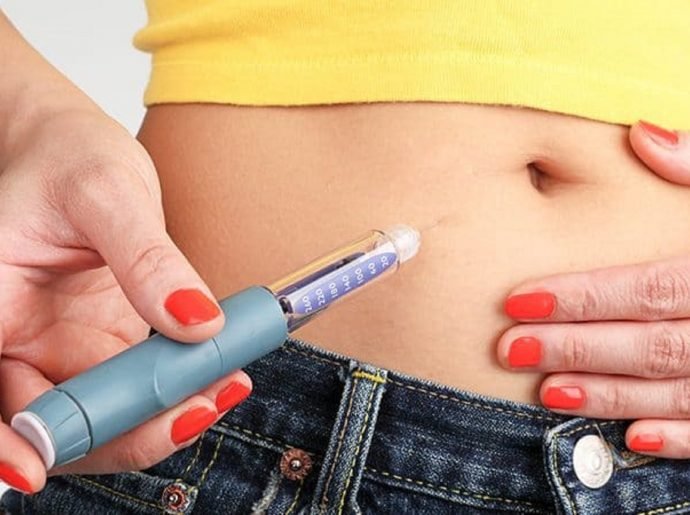
“Slimming pens have become a worldwide phenomenon. In Brazil, the Albert Einstein Hospital has already warned of the risks of using slimming pens in the USA: What the Law Says, the Risks of Unindicated Use and the End of Illegal Compounds: pancreatitis, gallbladder problems, malnutrition and even loss of muscle mass.
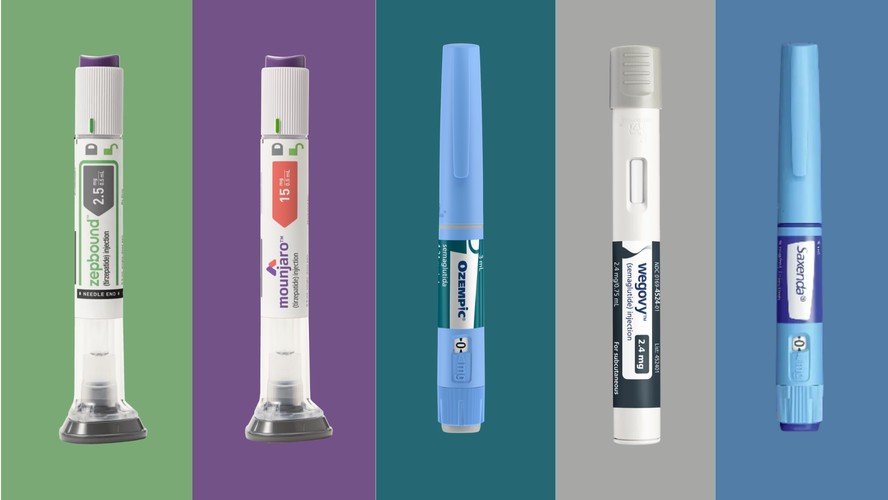
In the United States, where these drugs were born, the situation is even more complex. There, the pens are GLP-1 like Ozempic, Wegovy, Mounjaro and Zepbound and move billions. But along with the popularity came a wave of off-label use, parallel market for manipulated versions and misinformation.
If you write, prescribe or use these drugs, understanding American law is essential. It defines who can use it, who can sell it, who can afford it and what are the legal and 0 health consequences of inappropriate use.
This guide breaks everything: FDA, Medicare, compounded drugs, advertising and liability. Come on.
- What are the “slimming pens” according to American legislation
In the United States, there is no term slimming pen. The FDA classifies these products as GLP-1 and GIP/GLP-1 receptor agonists, administered by weekly subcutaneous injection.
FDA-approved GLP-1 drugs and Legal Status
Ozempic
Active ingredient: Semaglutide
FDA Approval: Type 2 Diabetes – 2017
Approved for weight loss: Off-label use
Medicare Part D coverage: Only for diabetes, CKD, and cardiovascular disease
Wegovy
Active ingredient: Semaglutide
FDA Approval: Obesity – 2021
Approved for weight loss: For a BMI of ≥ 30 or ≥ 27 with comorbidities
Medicare Part D coverage: Effective March 2024 for cardiovascular disease
Rybelsus
Active ingredient: Oral semaglutide
FDA Approval: Type 2 diabetes
Approved for weight loss: Not approved
Medicare Part D coverage: For diabetes only
Mounjaro
Active ingredient: Tirzepatide
FDA Approval: Type 2 diabetes
Approved for weight loss: Not approved
Medicare Part D coverage: For diabetes only
Trade Name (Tirzepatide)
Active ingredient: Tirzepatide
FDA Approval: Obesity – 2023
Approved for weight loss: Yes
Medicare Part D coverage: No, except for sleep apnea in obese patients
Key point of American law: The FDA approves the drug for an indication. Any use outside of this indication is called off-label. It is legal for a doctor to prescribe off-label, but it is illegal for the pharmaceutical industry to promote this use.
- End of production: The FDA has declared an end to the shortage of semaglutide and tirzepatide. Therefore, counterfeit versions can no longer be legally produced or sold. 2. Expiration date: The expiration date for counterfeit semaglutide is May 2025. 3. Illegal salts: The FDA has warned that salts such as “semaglutide sodium” and “semaglutide acetate” are active ingredients different from those approved. There is no legal basis for their use in adulterated products.
Risk to consumers: As of April 2025, the FDA had received 520 reports of adverse events involving adulterated semaglutide and 480 involving adulterated tirzepatide. Since pharmacies are not required to report such incidents, the actual number is higher.
2.2. Combating counterfeit medicines and illegal imports:
A FDA investiga a venda de Ozempic falsificado nos EUA. Essas versões podem conter ingredientes incorretos, dosagem incorreta ou substâncias nocivas.
What the law says
What the law says: Importing drugs without FDA approval for resale is a federal crime, according to the Federal Food, Drug, and Cosmetic Act. The FDA has tightened controls on the importation of ingredients used to treat obesity due to safety concerns.
2.3. Restrictions on Direct-to-Consumer Misleading Advertising:
In 2025, the FDA announced that it would take action against the mass sale of unapproved GLP-1s marketed as “alternatives” to approved ones. The agency issued warning letters in the fall of 2025.
It is illegal for a company to claim that:
- The product handled is “generic”, “equivalent” or “equal” to FDA-approved 2. It contains the same active ingredients 3. It is clinically proven to give results _2.4. Concern for Safety in Off-Label Use
58% of Americans are concerned about Ozempic shortages caused by off-label use and 63% about safety in this context. Safety rhetoric significantly reduces public support for off-label use.
- Medicare, Medicaid and Insurance: Who Pays the Bill Under the Law?
One of the biggest myths is that in the U.S. everyone gets Ozempic. Federal law prohibited this until 2024.
3,1. The Historical Rule: Medicare Did Not Cover “Weight Loss Drugs”
By law, Medicare Part D was prohibited from covering medications when used exclusively for weight loss. That changed in March 2024.
New rule: When the FDA approved Wegovy to reduce cardiovascular risk in overweight/obesity adults, it opened the door for Medicare to cover. The same was true of Zepbound: approval for sleep apnea in obese people allows coverage.
Ozempic remains off-label for weight loss because it is only approved for diabetes, CKD, and cardiovascular disease.
3.2. Government-negotiated price: Inflation Reduction Act
In January 2025, CMS selected Ozempic, Rybelsus, and Wegovy for Medicare price negotiations. Negotiated price: $274 for 30 days, effective starting in 2027.
3.3. Medicaid: Varies by State
Medicaid may cover Wegovy, Saxenda, and others, depending on the state program. But GLP-1s like Ozempic are generally covered only for FDA-approved uses, such as type 2 diabetes.
3.4. Without Insurance: The Actual Cost
Using Ozempic or Wegovy without coverage can cost over $15,000 per year. This creates a health equity issue. Many people on social media who use these drugs do not meet the medical criteria.
- Medicare, Medicaid and Insurance: Who Pays the Bill Under the Law?
One of the biggest myths is that in the U.S. everyone gets Ozempic. Federal law prohibited this until 2024.
3,1. The Historical Rule: Medicare Did Not Cover “Weight Loss Drugs”
By law, Medicare Part D was prohibited from covering medications when used exclusively for weight loss. That changed in March 2024.
New rule: When the FDA approved Wegovy to reduce cardiovascular risk in overweight/obesity adults, it opened the door for Medicare to cover. The same was true of Zepbound: approval for sleep apnea in obese people allows coverage.
Ozempic remains uncovered for weight loss because it is only approved for diabetes, CKD and cardiovascular disease.
3,2. Price Negotiated by the Government: Inflation Reduction Act
In January 2025, CMS selected Ozempic, Rybelsus and Wegovy for Medicare price negotiation. Price traded: $274 for 30 days, valid from 2027.
3,3. Medicaid: Varies by State
Medicaid may cover Wegovy, Saxenda and others depending on the state program. But GLP-1 like Ozempic are usually only covered for FDA-approved use, as type 2 diabetes.
3,4. No Insurance: The Real Cost
Using Ozempic or Wegovy without coverage can cost more than $15,000 per year. This creates a problem of health equity. Many on social media using drugs do not meet medical criteria.
- Off-Label Use: What is Legal and What is Unethical in the USA 4,1. For Doctors: Legal, But with Duties
Off-label prescribing is legal in the United States. But the FDA makes it clear: the doctor takes full responsibility. Wegovy criteria for weight loss: BMI > 30 or > 27 with comorbidities. _
If you prescribe the medication to someone who does not meet these criteria, it constitutes off-label use. If the prescriber is not your doctor, there is an ethical/legal issue.
4.2. For Weight Loss Clinics and Influencers: High Legal Risk 1. Promoting off-label use: Illegal under the FD&C Act. This results in warning letters from the FDA. 2. Selling the compound as “generic Ozempic”: Illegal. 3. Civil Liability: If a patient develops pancreatitis or a serious adverse effect after off-label use without proper informed consent, the doctor and the clinic may be sued. 4.3. For Patients: The Real Risks Identified by the FDA and Doctors
The FDA states that the adverse events associated with the compound “appear consistent” with those of the approved versions. What are they?
Bibliography and FDA:
5.The search boom and social pressure: what science says about the surge in public interest. Ozempic saw exponential growth on Google Trends in the U.S. between 2018 and 2023. Since June 2021, Ozempic has been searched for more often than Wegovy and Mounjaro. PubMed study: The off-label use of Ozempic for cosmetic weight loss has been popularized by social media and celebrities. Plastic surgeons need to be prepared for the implications. This creates two legal issues: 1. Induced demand: Patients arrive at the office demanding “Ozempic” without having diabetes, putting pressure on doctors. 2. Black market: Demand + high cost = counterfeits and illegal manipulations.
- The Search Boom and Social Pressure: What Science Says
Public interest has exploded. Ozempic has grown exponentially on Google Trends among 2018-2023 in the US. Since June 2021, Ozempic has more searches than Wegovy and Mounjaro.
PubMed study: the off-label use of Ozempic for cosmetic weight loss was popularized by social networks and celebrities. Plastic surgeons need to be prepared for the implications.
This raises two legal issues:
- Induced demand: Patients come to the doctor’s office demanding “Ozempic” even though they don’t have diabetes, putting pressure on doctors. 2. Black market: Demand + high cost = counterfeits and illegal distribution.
Conclusion
Slimming pens should be used with caution and always under medical supervision. U.S. laws are becoming increasingly strict to protect consumers. Were you aware of these risks? Leave a comment and share this article to spread the word!
The American Lesson for Brazil
U.S. legislation on weight-loss pens teaches us three things:
- The indication is important: Wegovy is for obesity. Ozempic is for diabetes. Use outside these indications is considered off-label use, which carries greater risk and offers less coverage. 2. The loophole is closed: The FDA shut down the “cheaper compounds” loophole in 2025 due to safety concerns. The 1,000 reports of adverse events influenced the decision. 3. It is not a cosmetic treatment: The FDA, Medicare, and doctors treat it as a medication for chronic diseases. It must be used indefinitely to maintain results. Without lifestyle changes, there is no support for the treatment.
Einstein’s warning about the risks of off-label use is 100% aligned with the FDA’s position: these drugs have not been proven safe and effective for broad cosmetic use.
Final recommendation
If you’re going to write about weight-loss pens on your blog, set realistic expectations. Explain the key difference between Ozempic and Wegovy, mention that they’re intended for long-term use and are expensive, and emphasize that misuse has become a crime in the U.S.
Health isn’t a shortcut. And in the United States, the law now ensures that.
Medical notice: This article is informative and based on legislation and public communications from the FDA, CMS and PubMed until April 2026. It does not replace medical consultation. GLP-1 are prescription drugs with risks. Talk to an endocrinologist before starting, adjusting or stopping any treatment.
Would you prefer that I adapt this article to a more technical tone, aimed at doctors, or a simpler one, aimed at the general public? Or would you prefer that I create a carousel post for Instagram based on this text?